50 Books for Thinking About the Future Human Condition - I I
Explore 50 essential books on the future human condition, from Stiglitz's *Globalization and Its Discontents* to Friedman's *The Lexus and the Olive Tree*.

Book
Globalization and Its Discontents
by Joseph E. Stiglitz
Rarely do we get such an insider's analysis of the major institutions of globalization as in this penetrating book.

Book
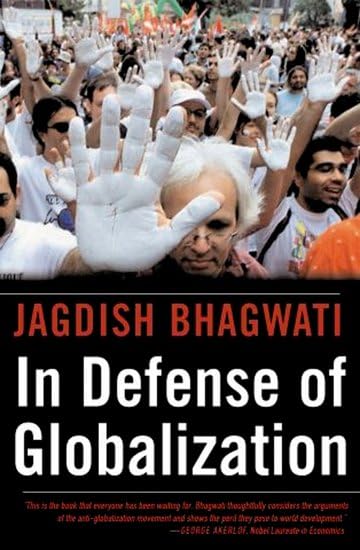
The Lexus and the Olive Tree
by Thomas L. Friedman
From one of our most perceptive commentators and winner of the National Book Award, a comprehensive look at the new world of globalization, the international system that, more than anything else, is shaping world affairs today. As the Foreign Affairs columnist forThe New York Times, Thomas L. Friedman has traveled the globe, interviewing people from all walks of contemporary life: Brazilian peasants in the Amazon rain forest, new entrepreneurs in Indonesia, Islamic students in Teheran, and the financial wizards on Wall Street and in Silicon Valley. Now Friedman has drawn on his years on the road to produce an engrossing and original look at globalization. Globalization, he argues, is not just a phenomenon and not just a passing trend. It is the international system that replaced the Cold War system; the new, well-greased, interconnected system: Globalization is the integration of capital, technology, and information across national borders, in a way that is creating a single global market and, to some degreee, a global village. Simply put, one can't possibly understand the morning news or one's own investments without some grasp of the system. Just one example: During the Cold War, we reached for the hot line between the White House and the Kremlin--a symbol that we were all divided but at least the two superpowers were in charge. In the era of globalization, we reach for the Internet--a symbol that we are all connected but nobody is totally in charge. With vivid stories and a set of original terms and concepts, Friedman offers readers remarkable access to his unique understanding of this new world order, and shows us how to see this new system. He dramatizes the conflict of "the Lexus and the olive tree"--the tension between the globalization system and ancient forces of culture, geography, tradition, and community. He also details the powerful backlash that globalization produces among those who feel brutalized by it, and he spells out what we all need to do to keep the system in balance. Finding the proper balance between the Lexus and the olive tree is the great drama of he globalization era, and the ultimate theme of Friedman's challenging, provocative book--essential reading for all who care about how the world really works.


Book
A Peace to End All Peace
by David Fromkin
The critically acclaimed New York Times bestselling account of how the modern Middle East came into being after World War I, and why it is in upheaval today In our time the Middle East has proven a battleground of rival religions, ideologies, nationalisms, and dynasties. All of these conflicts, including the hostilities between Arabs and Israelis that have flared yet again, come down, in a sense, to the extent to which the Middle East will continue to live with its political inheritance: the arrangements, unities, and divisions imposed upon the region by the Allies after the First World War. In A Peace to End All Peace, David Fromkin reveals how and why the Allies came to remake the geography and politics of the Middle East, drawing lines on an empty map that eventually became the new countries of Iraq, Israel, Jordan, and Lebanon. Focusing on the formative years of 1914 to 1922, when all-even an alliance between Arab nationalism and Zionism-seemed possible he raises questions about what might have been done differently, and answers questions about why things were done as they were. The current battle for a Palestinian homeland has its roots in these events of 85 years ago.