Philosophy of Art
Explore the philosophy of art through essential reads, including Nietzsche's *On the Advantage and Disadvantage of History for Life* and Aristotle's *Poetics*. Discover key texts on aesthetics, creativity, and the meaning of artistic expression in this curated book list.
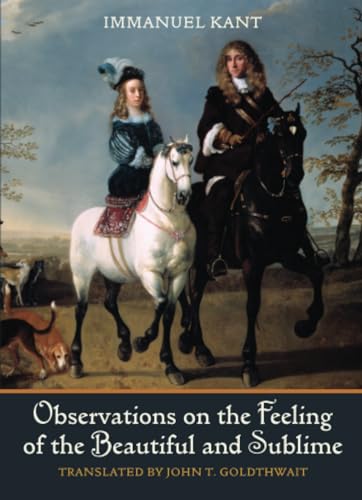
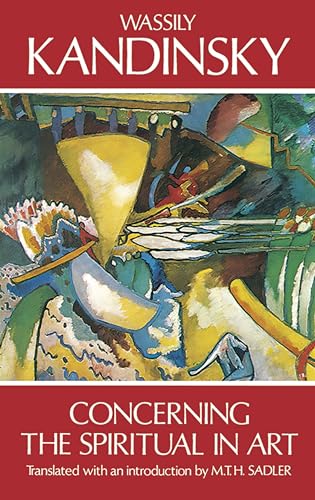
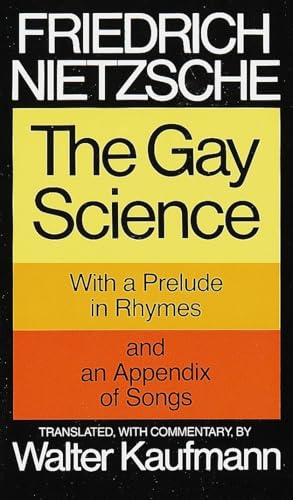
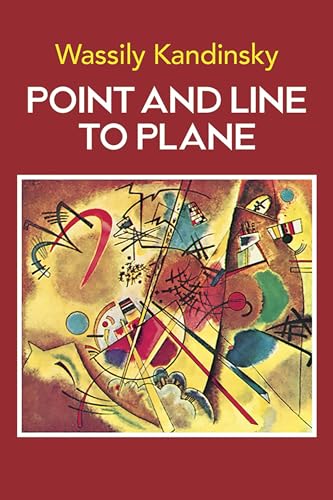


Book
On the Advantage and Disadvantage of History for Life
by Friedrich Wilhelm Nietzsche
(Part II of Thoughts Out of Season)
Book
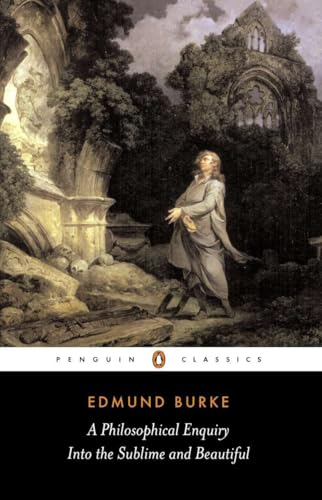
A philosophical enquiry into the origin of our ideas of the sublime and beautiful
No summary available.

Book
Aristotle's Poetics
by Aristotle
Introduced by Francis Fergusson, the Poetics, written in the fourth century B.C., is still an essential study of the art of drama, indeed the most fundamental one we have. It has been used by both playwrights and theorists of many periods, and interpreted, in the course of its two thousand years of life, in various ways. The literature which has accumulated around it is, as Mr. Fergusson points out, "full of disputes so erudite that the nonspecialist can only look on in respectful silence." But the Poetics itself is still with us, in all its suggestiveness, for the modern reader to make use of in his turn and for his own purposes. Francis Fergusson's lucid, informative, and entertaining Introduction will prove invaluable to anyone who wishes to understand and appreciate the Poetics. Using Sophocles' Oedipus Rex, as Aristotle did, to illustrate his analysis, Mr. Fergusson pints out that Aristotle did not lay down strict rules, as is often thought: "The Poetics," he says, "is much more like a cookbook than it is like a textbook of elementary engineering." Read in this way, it is an essential guide not only to Sophoclean tragedy, but to the work of so modern a playwright as Bertolt Brecht, who considered his own "epic drama" the first non-Aristotelian form.
Book
The Dehumanization of Art and Other Essays on Art, Culture, and Literature
No summary available.